Skip to content
RE:IBCQuote

Size guide · R-03

Grades
explained.

Ninety per cent of disputes in this trade come from a buyer and a seller using the word “clean” to mean two different things. This page removes that ambiguity. Six grades, each defined by a process and a paper trail rather than by an adjective.

Short answer

The six grades are food grade ($185 – $340), rebottled ($210 – $365), reconditioned ($120 – $225), rinsed ($95 – $165), as-is ($55 – $110) and scrap (by weight). Each describes what was done to the container and what is known about its history — not a promise that it suits your liquid. Grade never travels upward.
  • Food or potable contact → food grade, no substitutes
  • Regulated hazmat → reconditioned with a valid UN marking
  • General industrial → reconditioned
  • Water, ballast, fabrication → rinsed or as-is
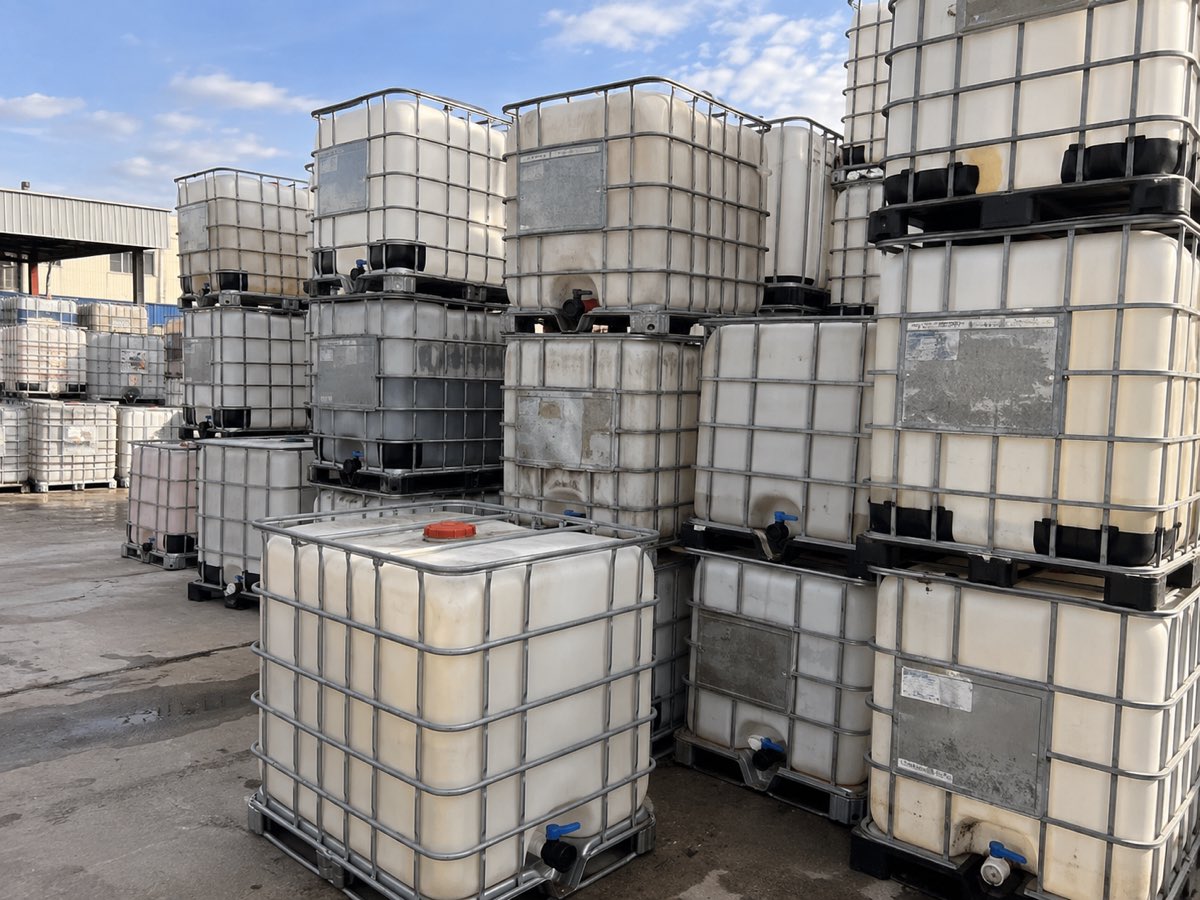
Used IBC totes of mixed condition stacked three high on the receiving apron — some rinsed white, some stained, labels still attached.
Every grade arrives on the same trailer

Not sure which grade?

Quote · buy · sell · ship

One business day reply · No phone calls, ever

We reply here — no disposable addresses

US or Canada · 10 digits · format (555) 123-4567

US state or Canadian province

US ZIP or Canadian postal code — sets your freight

Units, or loads if you are selling

Fields marked * are required. We use your details to quote this request only — see our privacy notice.

Compare interactively

Six tabs, six processes

Click through the grades. Everything in this tool is also written out in full below, so nothing here depends on scripting.

Reconditioned

A used bottle that has been washed on a pressurised line, leak-tested, and reunited with a straightened, re-painted cage and sound pallet.

What we actually do to it

  1. 01Residue drained and manifested
  2. 02Caustic or hot-water wash depending on prior contents
  3. 03Triple rinse, interior camera inspection
  4. 04Cage straightened, welds checked, pallet repaired or swapped
  5. 05Leakproofness test at 3 psi, then re-labelled

Typical price

$120 – $225

Best for

Non-food industrial liquids, ag chemicals, soaps, coolants, admixtures.

Do not use for

Food contact, pharmaceutical, or any spec demanding a virgin bottle.

Paperwork you get

Wash certificate + test record

Side by side

The whole market in one table

Comparison of all six IBC tote grades
GradeCodePrice bandPaperworkBest forNever for
Food GradeFG$185 – $340Prior-contents affidavit + wash certificateSyrups, brines, juice concentrate, edible oils, brewing liquor, potable water.Anything that previously saw a chemical tote — the grade cannot be restored downward.
ReconditionedRC$120 – $225Wash certificate + test recordNon-food industrial liquids, ag chemicals, soaps, coolants, admixtures.Food contact, pharmaceutical, or any spec demanding a virgin bottle.
RebottledRB$210 – $365New-bottle resin certificate + assembly recordBuyers who need a clean bottle but refuse to pay new-tote money.Specs that require the cage itself to be new or certified-virgin.
Rinsed / Clean UsedRN$95 – $165Prior-contents listingWater storage, dust control, non-critical dilution, construction and site use.Regulated hazmat shipping, food contact, anything needing a test record.
As-Is / UnwashedAI$55 – $110Prior-contents disclosureUpcyclers, fabricators, buyers with their own wash line.Any liquid you intend to pump back out and use.
Scrap / Recycle OnlySCPaid by weightDiversion certificateNothing — this is a material stream, not a container.Storage of any kind.

Short answer

Why grade cannot travel upward: HDPE is semi-permeable. This is a material-science fact rather than a company policy, and any supplier offering to upgrade a chemical tote to food grade is selling you a liability.
  • Permeation puts product into the polymer wall, not just on it
  • A hot caustic wash removes surface residue only
  • Absorbed molecules migrate back out over following weeks
  • No chemistry, temperature or dwell time reverses this

In detail

Each grade, written out

FG

01 · Food Grade

$185 – $340

Bottle moulded from virgin HDPE conforming to FDA 21 CFR 177.1520, with a documented chain of custody proving it has only ever held food-contact product.

Process

  1. 01Prior-contents affidavit collected from the original filler
  2. 02Interior hot-water wash, no caustic, no solvent
  3. 03Food-safe sanitiser rinse and air dry under positive pressure
  4. 04Bottle inspected for scuffing, odour and haze
  5. 05Plastic or composite pallet fitted (never bare wood)
Best for
Syrups, brines, juice concentrate, edible oils, brewing liquor, potable water.
Do not use for
Anything that previously saw a chemical tote — the grade cannot be restored downward.
Paperwork
Prior-contents affidavit + wash certificate
RC

02 · Reconditioned

$120 – $225

A used bottle that has been washed on a pressurised line, leak-tested, and reunited with a straightened, re-painted cage and sound pallet.

Process

  1. 01Residue drained and manifested
  2. 02Caustic or hot-water wash depending on prior contents
  3. 03Triple rinse, interior camera inspection
  4. 04Cage straightened, welds checked, pallet repaired or swapped
  5. 05Leakproofness test at 3 psi, then re-labelled
Best for
Non-food industrial liquids, ag chemicals, soaps, coolants, admixtures.
Do not use for
Food contact, pharmaceutical, or any spec demanding a virgin bottle.
Paperwork
Wash certificate + test record
RB

03 · Rebottled

$210 – $365

A brand-new HDPE bottle dropped into a reclaimed cage and pallet. You get virgin-bottle purity at roughly two-thirds the price of a new tote, and the steel still gets a second life.

Process

  1. 01Spent bottle removed and granulated for resin recovery
  2. 02Cage shot-blasted, straightened and inspected
  3. 03New bottle (food or industrial resin) seated and strapped
  4. 04New gasket, valve and lid fitted
  5. 05UN re-marking where the assembly qualifies
Best for
Buyers who need a clean bottle but refuse to pay new-tote money.
Do not use for
Specs that require the cage itself to be new or certified-virgin.
Paperwork
New-bottle resin certificate + assembly record
RN

04 · Rinsed / Clean Used

$95 – $165

Triple-rinsed at the filler or at our yard, visually clean, but not pressure-tested and not re-certified. The honest middle of the market.

Process

  1. 01Triple rinse with potable water
  2. 02Visual interior check through the 6-inch lid
  3. 03Cage and pallet checked for structural soundness
  4. 04Graded on scuffing, odour and valve condition
Best for
Water storage, dust control, non-critical dilution, construction and site use.
Do not use for
Regulated hazmat shipping, food contact, anything needing a test record.
Paperwork
Prior-contents listing
AI

05 · As-Is / Unwashed

$55 – $110

Sold exactly as it arrived, with residue disclosed. Cheapest route into a tote, and the right call if you are going to wash it yourself or cut it up.

Process

  1. 01Prior contents identified and disclosed in writing
  2. 02Hazmat screened out — we do not sell unwashed hazmat residue totes
  3. 03Structural check only
Best for
Upcyclers, fabricators, buyers with their own wash line.
Do not use for
Any liquid you intend to pump back out and use.
Paperwork
Prior-contents disclosure
SC

06 · Scrap / Recycle Only

Paid by weight

End of the road for the bottle: cracked, crazed, UV-brittle or contaminated. The HDPE becomes regrind, the cage becomes baled steel, the pallet gets reused.

Process

  1. 01Bottle drained, cut and granulated
  2. 02Regrind sorted by colour and melt index
  3. 03Cage sheared and baled to mill spec
  4. 04Pallet triaged: reuse, repair or scrap
Best for
Nothing — this is a material stream, not a container.
Do not use for
Storage of any kind.
Paperwork
Diversion certificate

How to choose

Start from what goes in it, not from what sounds safest

Buying a higher grade than the job needs is the most common and most expensive mistake in this market. We would rather sell you the cheap one that works.

Your applicationGradeWhy
Drinking water, edible productFood gradeResin compliance and documented history are both mandatory
Regulated hazmat shippingReconditioned, UN-markedThe plate and its test dates are the legal requirement
Pharma or QA-specified virgin bottleRebottledSatisfies the clause without buying new steel
General industrial liquidReconditionedTested, documented, lowest footprint with a certificate
Non-potable water, dust controlRinsedVisually clean is genuinely sufficient here
Ballast, jobsite, temporaryAs-isBuy the grade you can afford to lose
Fabrication, planters, troughsAs-isYou are going to cut it anyway
Nothing — material recoveryScrapPaid by weight; the bottle and cage both re-enter the stream

Questions

Grade questions

What are the IBC tote grades?

Six, in descending order of processing: food grade (FDA-compliant bottle, documented food-only history), rebottled (new bottle, reclaimed cage), reconditioned (original bottle washed and tested), rinsed (triple-rinsed, not tested), as-is (unwashed, residue disclosed) and scrap (material recovery only).

Can a chemical tote be upgraded to food grade?

No, and this is the single most important sentence on this page. HDPE is semi-permeable: product migrates into the polymer wall over weeks of contact and migrates slowly back out afterwards. Washing addresses the surface and nothing else. Grade does not travel upward, at any price, with any chemistry.

What is the difference between rinsed and reconditioned?

A pressure test and a paper trail. Rinsed means three water flushes and a visual check. Reconditioned adds matched wash chemistry, interior camera inspection, cage straightening, a new gasket and a 3 psi leakproofness test with a written record. The test is what suppliers drop when competing on price.

Which grade do I actually need?

Food or potable contact: food grade, no alternative. Regulated hazmat: reconditioned with a valid UN marking inside its service window. General industrial liquid: reconditioned. Water, dust control, ballast: rinsed. Fabrication and upcycling: as-is. If you are unsure, say so when you ask — recommending down a grade is a normal part of our quoting.

Is as-is grade safe to buy?

Yes, within its limits. We disclose prior contents in writing for every as-is unit and we never sell unwashed hazmat-residue containers to anyone. What you are buying is a structurally sound container you intend to wash yourself or cut up. What you are not buying is anything you can pump product straight back out of.

Verifying a claim

How to check a grade you have been quoted

Grade is a claim about process and history. These are the checks that test the claim rather than the container.

Evidence that supports each grade
GradeAsk forWhat it should sayRed flag
Food gradePrior-contents affidavitNamed material, named filler, dated, exclusivity clauseCategory language like “food products”
Food gradeWash certificateHot water only, no caustic, segregated lineAny mention of caustic or detergent
RebottledResin certificateVirgin HDPE, FDA ref if food duty, per serialA generic sheet not tied to serials
ReconditionedWash certificateChemistry, temperature, cycle time, operatorNo chemistry named
ReconditionedTest record3 psi leakproofness, pass, datedNo record — this is rinsed grade
RinsedPrior-contents listingWhat was in itNothing in writing
As-isPrior-contents disclosureSpecific material, residue disclosedUnknown or unstated history
Any UN-marked unitPlate photographLegible string, moulding year inside 5 yearsIllegible or painted-over plate

The single most useful row is the fifth. If a supplier quotes reconditioned grade and cannot produce a 3 psi test record, you are being charged reconditioned prices for rinsed grade — and that is the commonest overcharge in this market.

Downgrading

What happens when a grade is withdrawn

Grade travels downward constantly, and it is worth knowing where a unit lands when it does.

Downgrade paths and triggers
FromTriggerLands atStill useful for
Food gradeAny detectable odour after the 48 h holdReconditionedIndustrial liquids, ag chemicals
Food gradeAffidavit cannot be obtainedReconditionedEverything except food contact
ReconditionedFails 3 psi leakproofnessRinsedWater, dust control, ballast
ReconditionedCrazing visible in transmitted lightRinsedNon-critical storage
RinsedResidue the wash could not clearAs-isFabrication, cut-down builds
Any gradeBottom-radius stress crackRecoveryMaterial only — bottle granulated
Any gradeCracked cage weldRecovery (cage)Bottle may be reused in another cage
Any gradePrior contents unidentifiableRecoveryMaterial only; never resold

Short answer

Buyers sometimes read “downgraded” as “defective”. Usually it means a document could not be obtained or a smell could not be cleared — and for a job that does not care about either, the unit is exactly as good and considerably cheaper.
  • A downgraded unit is not a damaged unit
  • Most downgrades are about history or evidence, not condition
  • A unit that cannot be food grade is often perfect for industrial duty
  • Only two triggers send a unit to recovery: cracks and unknown history

Next move

Tell us the liquid. We will name the grade.

And if a cheaper grade would do the same job, we will say so. Our traders are measured on used-first sourcing, not on margin per unit — which makes that conversation easier than it is elsewhere.